
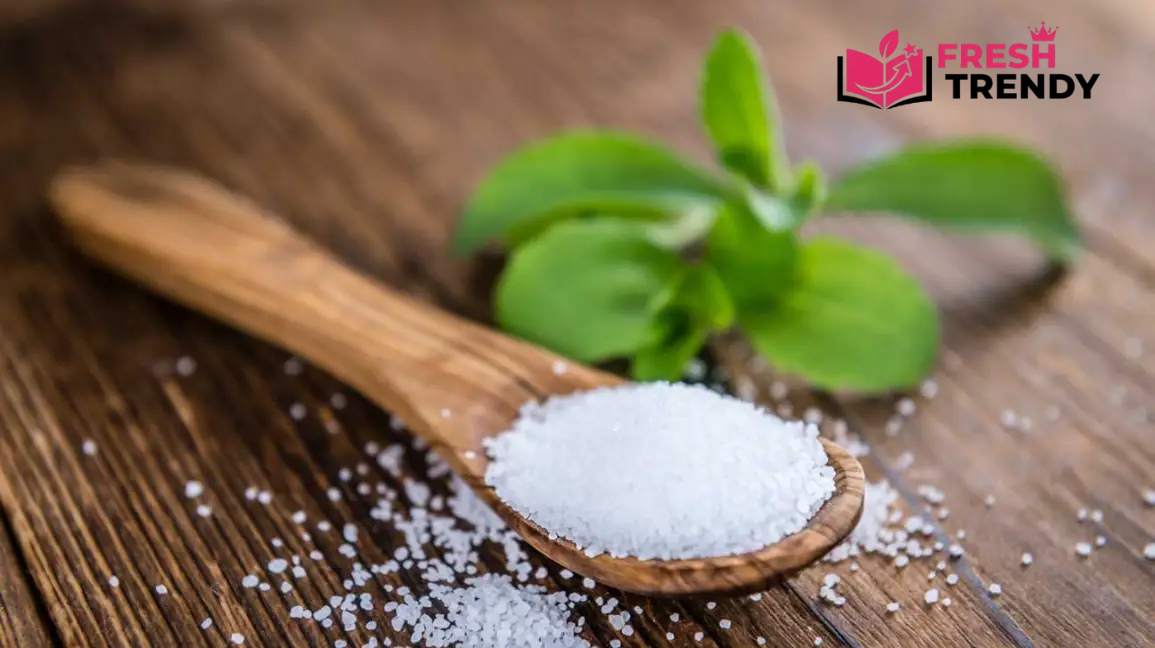

Why was stevia banned is a question many health-conscious people ask when they see this natural sweetener praised on one label and questioned on another. Stevia is often called a “plant-based miracle sugar,” yet its history includes confusion, restrictions, and bans in several countries. So, what really happened? Was stevia dangerous, misunderstood, or simply ahead of its time?
In this in-depth article, we will explore why was stevia banned, where it was banned, who banned it, and how science eventually changed the story. This guide is written in simple Grade 7 English, but it reflects expert-level research, real history, and trustworthy explanations. By the end, you’ll clearly understand why stevia went from banned to approved—and why it’s now found in drinks, snacks, and kitchens around the world.
Understanding Stevia: What Is It and Why Is It Popular?
Before we fully answer why was stevia banned, it’s important to understand what stevia actually is.
Stevia comes from the Stevia rebaudiana plant, which is native to South America. For hundreds of years, Indigenous people in Paraguay and Brazil used stevia leaves to sweeten drinks and medicines.
Why people love stevia today
Stevia became popular worldwide because it offers many benefits:
- It is much sweeter than sugar
- It has zero calories
- It does not raise blood sugar levels
- It is often used by people with diabetes
- It is plant-based and natural
Sounds perfect, right? Well, here’s the twist—despite these benefits, stevia faced serious restrictions for decades.
Why Was Stevia Banned in the First Place?
The simple answer to why was stevia banned is lack of scientific data, not proven harm.
In the late 20th century, food safety authorities were very strict about approving new food additives. Stevia entered the global market before enough modern research had been completed.
Main reasons stevia was banned or restricted
- Limited human studies at the time
- Concerns based on early animal research
- Uncertainty about long-term effects
- Strict food laws in some countries
In short, stevia was not banned because it was proven dangerous. It was restricted because regulators felt there wasn’t enough evidence to confirm it was safe.
Why Was Stevia Banned in the United States?
One of the most common versions of why was stevia banned focuses on the United States.
In the 1980s and 1990s, the U.S. Food and Drug Administration (FDA) did not approve stevia as a food additive. This caused confusion because people could buy stevia in health stores but not find it in mainstream foods.
What exactly did the FDA do?
- Stevia was not approved as a food ingredient
- It could only be sold as a dietary supplement
- Companies were not allowed to market it as a sweetener
The FDA’s concern was based on early studies that suggested stevia might affect fertility or cause genetic changes. However, these studies were done in very high doses and mostly on animals.
Why Was Stevia Banned in Europe and Other Countries?
The question why was stevia banned also applies to Europe, Canada, and parts of Asia.
For many years:
- The European Union did not approve stevia
- Canada restricted its use
- Australia and New Zealand delayed approval
These countries followed a similar rule: no approval without strong evidence.
Key issue across countries
The main issue wasn’t that stevia was harmful—it was that regulators wanted:
- Clear safety data
- Standardized extraction methods
- Proof of safe daily intake
Once these requirements were met, attitudes started to change.
The Role of Steviol Glycosides in the Ban Debate
To truly understand why was stevia banned, we must talk about steviol glycosides.
Steviol glycosides are the sweet compounds extracted from stevia leaves. These include:
- Stevioside
- Rebaudioside A (Reb A)
Early studies focused on crude stevia extracts, not purified steviol glycosides. This caused confusion.
Why this mattered
- Raw stevia leaf ≠ purified steviol glycosides
- Early tests didn’t reflect real-world use
- Later studies showed purified compounds were safe
Once scientists separated myth from method, the story began to change.
Scientific Studies That Changed Everything
So, if stevia was once restricted, what changed?
The answer lies in better science.
From the late 1990s to the early 2000s, many high-quality studies were conducted. These studies included:
- Human clinical trials
- Long-term toxicity studies
- Metabolism research
What modern science found
- Stevia does not cause cancer
- It does not harm fertility
- It is safe for daily consumption within limits
- It does not spike blood sugar or insulin
This strong evidence played a major role in reversing bans and restrictions worldwide.
When and Why Was Stevia Approved?
After years of research, authorities finally answered why was stevia banned with a new conclusion: it shouldn’t be banned anymore.
Key approval milestones
| Year | Country/Organization | Decision |
|---|---|---|
| 2008 | FDA (USA) | Approved steviol glycosides as GRAS |
| 2011 | European Union | Approved stevia as food additive |
| 2012 | Canada | Approved stevia sweeteners |
| 2015 | WHO & FAO | Confirmed safe daily intake |
GRAS means “Generally Recognized As Safe.”
This marked a major turning point for stevia’s reputation.
Why Was Stevia Banned but Artificial Sweeteners Were Allowed?
This is a fair and frequently asked question when discussing why was stevia banned.
Artificial sweeteners like aspartame and saccharin were approved earlier. Why?
Key reasons
- Artificial sweeteners had corporate funding
- More studies were submitted early
- Regulatory systems favored existing chemicals
Stevia, being a natural plant, did not initially have strong commercial backing. As a result, research and approval took longer.
Ironically, some artificial sweeteners approved earlier now face more criticism than stevia.
Common Myths That Fueled the Stevia Ban
Over time, rumors and half-truths added fuel to the question why was stevia banned.
Let’s clear up some common myths.
Myth vs. Reality
- Myth: Stevia causes cancer
Reality: No credible human study supports this - Myth: Stevia affects hormones dangerously
Reality: Safe in normal dietary amounts - Myth: Natural means unsafe
Reality: Safety depends on evidence, not origin
These myths slowly faded as science spoke louder.
Is Stevia Safe to Use Today?
Yes—according to major health authorities, stevia is safe when used correctly.
Organizations that support stevia safety include:
- World Health Organization (WHO)
- U.S. Food and Drug Administration (FDA)
- European Food Safety Authority (EFSA)
Safe daily intake
Experts recommend staying within the Acceptable Daily Intake (ADI), which is:
- 4 mg per kg of body weight per day
For most people, this is hard to exceed through normal food and drink.
Who Should Be Careful With Stevia?
Even though the answer to why was stevia banned has changed, some people should still be cautious.
These include:
- People with allergies to plants in the daisy family
- Those taking blood pressure medications
- Individuals with sensitive digestion
In these cases, moderation is key. When in doubt, it’s always smart to consult a healthcare professional.
How Stevia Is Used in Modern Foods
Today, stevia is everywhere—and legally so.
You’ll find it in:
- Soft drinks and flavored waters
- Sugar-free desserts
- Chewing gum
- Protein powders
- Tabletop sweeteners
Manufacturers now use refined steviol glycosides, ensuring consistent taste and safety.
What We Can Learn From the Stevia Ban Story
The story behind why was stevia banned teaches us an important lesson.
Key takeaways
- Science evolves over time
- Early bans don’t always mean danger
- Evidence matters more than opinions
- Natural products still need testing
Stevia’s journey shows how patience, research, and transparency can change public policy for the better.
Why Was Stevia Banned and Why Is It Trusted Today?
So, why was stevia banned, and why is it trusted now?
It was banned—or restricted—not because it was proven unsafe, but because regulators lacked enough data. Once high-quality research became available, stevia earned global approval and consumer trust.
Today, stevia stands as a symbol of how science can correct itself. What was once misunderstood is now widely accepted, responsibly regulated, and safely enjoyed.
Final Thoughts on Why Was Stevia Banned
To conclude, why was stevia banned is a question rooted in caution, not fear. The bans and restrictions were part of a careful process to protect public health. Over time, science provided clear answers, and stevia emerged as a safe, effective, and natural sugar alternative.
Now, with strong evidence and global approval, stevia has reclaimed its place—not as a banned substance, but as a trusted sweetener for millions of people worldwide.