
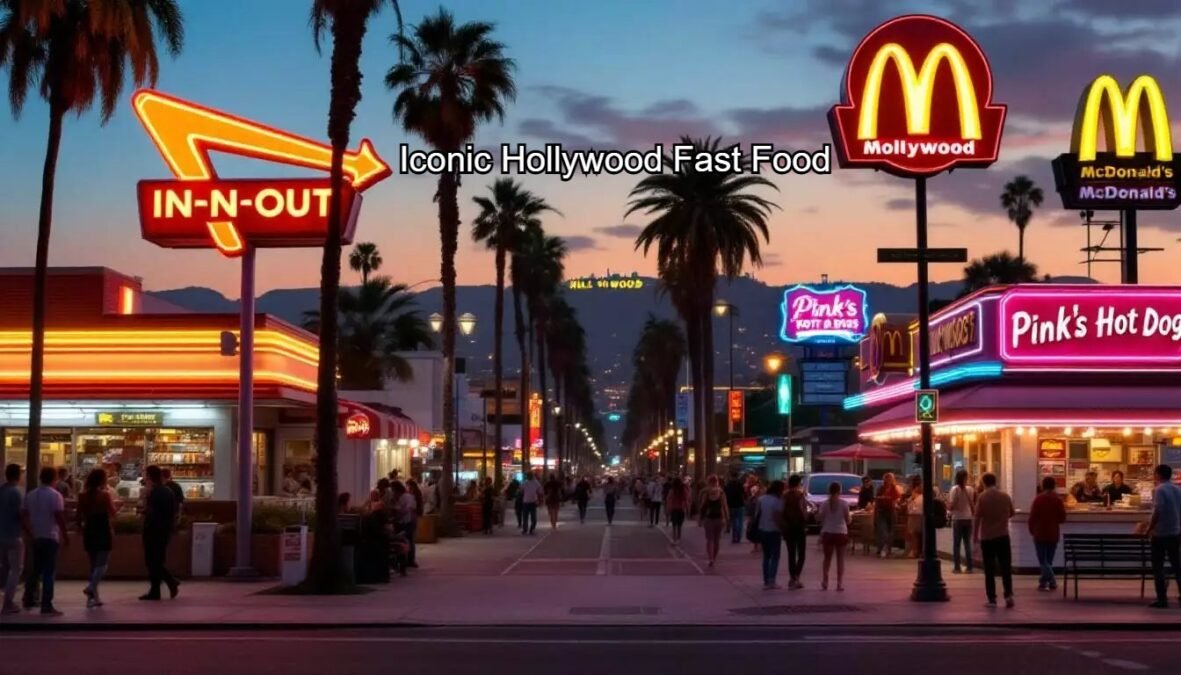

Hollywood has always been more than just films and celebrities—it’s a cultural engine that shapes fashion, language, and even what people eat. Over the decades, movies and TV shows have turned ordinary meals into legendary pop-culture moments. When certain foods appear in memorable scenes, they stop being just snacks and become symbols of entire films or characters. These are what many fans now call iconic Hollywood fast food.
From burgers and milkshakes to pizza slices and fried chicken buckets, fast food has played a surprisingly powerful role in storytelling. Directors often use food to make scenes feel relatable, grounded, and realistic. Audiences connect with characters who eat the same comfort foods they enjoy in everyday life.
In this article, we’ll explore how fast food became a staple of Hollywood storytelling, highlight some of the most memorable food moments in film history, and understand why these meals continue to influence pop culture long after the credits roll.
How Fast Food Became a Hollywood Storytelling Tool
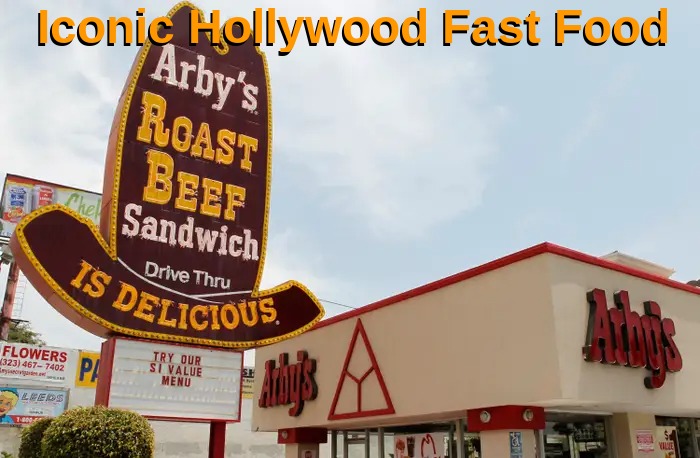
Fast food has always represented convenience, modern culture, and everyday life. That’s exactly why filmmakers love to include it in their stories. When audiences see characters grabbing burgers, fries, or milkshakes, it instantly creates familiarity. It reminds viewers of their own routines, making characters feel more authentic.
Another reason fast food works so well in movies is that it visually communicates personality and mood. A character devouring a greasy burger after a tough day says something about their emotional state. Meanwhile, a group of friends sharing pizza can instantly create a relaxed, relatable atmosphere. Directors often use food as a subtle storytelling device without needing much dialogue.
Fast food scenes also provide natural opportunities for conversation. Think about it—people often talk while eating. Movies use this dynamic to reveal character traits, develop relationships, or introduce important plot details. What seems like a simple meal can actually carry major narrative weight.
The Burger: Hollywood’s Most Recognizable Fast Food Star
If there’s one item that dominates iconic Hollywood fast food moments, it’s the burger. Burgers symbolize comfort, indulgence, and classic American culture. Because of this, they frequently appear in movies that celebrate or critique modern life.
The burger’s visual appeal also makes it perfect for film. A towering burger stacked with lettuce, cheese, and dripping sauce instantly grabs attention on screen. Filmmakers often exaggerate these details to make the food look irresistible. In many cases, the burger becomes almost as memorable as the character eating it.
Beyond aesthetics, burgers also carry cultural meaning. They represent casual dining and the freedom of grabbing a quick meal anytime. When audiences see characters enjoying burgers, it reinforces the laid-back, everyday vibe that Hollywood often tries to capture. Over time, these burger scenes have helped cement the meal as a cinematic icon.
Pizza Moments That Became Pop Culture History
Pizza has also carved out a legendary place in Hollywood storytelling. Few foods represent group bonding and fun quite like pizza. Whether characters are celebrating, relaxing after a long day, or simply hanging out, pizza often appears as the perfect shared meal.
One reason pizza works so well in films is its versatility. A simple pizza box instantly signals a casual setting. It can appear in college dorms, family living rooms, late-night work sessions, or even crime hideouts. The food itself becomes a storytelling shortcut, quickly setting the tone for the scene.
Additionally, pizza scenes often highlight character dynamics. Friends fighting over the last slice, roommates debating toppings, or coworkers eating during intense discussions can reveal personality traits in subtle but entertaining ways. These moments help transform a basic fast food item into a memorable cinematic symbol.
Fried Chicken and Comfort Food in Film
Fried chicken has also played a powerful role in creating iconic Hollywood fast food moments. This dish represents comfort, indulgence, and nostalgia. When characters gather around a bucket of crispy chicken, it often signals warmth and familiarity.
In many films, fried chicken appears during relaxed social scenes. Families sharing a meal, friends laughing together, or characters unwinding after stressful events often turn to this comforting food. The visual of golden, crunchy chicken pieces makes the scene feel satisfying and relatable.
Beyond comfort, fried chicken can also symbolize cultural identity and tradition. Directors sometimes use it to portray regional lifestyles or community gatherings. By incorporating this beloved dish, filmmakers add depth and authenticity to the world they’re creating on screen.
Milkshakes, Fries, and Classic Diner Culture
Another important element of iconic Hollywood fast food is the classic diner experience. Diners have long been staples of American cinema, offering cozy settings where characters can eat burgers, sip milkshakes, and share conversations late into the night.
Milkshakes and fries are especially powerful visual elements in these scenes. A tall milkshake glass with whipped cream or a basket of crispy fries instantly evokes nostalgia. These foods remind audiences of road trips, teenage hangouts, and late-night cravings.
Diner scenes also provide an intimate storytelling space. Two characters talking over milkshakes can create emotional depth without dramatic action. The relaxed environment allows meaningful conversations to unfold naturally, making these moments feel genuine and memorable.
Why Fast Food Scenes Stay With Audiences
The reason iconic Hollywood fast food scenes remain unforgettable is simple: they connect directly to everyday life. Unlike extravagant luxury meals, fast food is something almost everyone has experienced. When audiences see it on screen, it bridges the gap between fiction and reality.
Food also engages multiple senses, even when viewed through a screen. The sight of melted cheese, sizzling burgers, or crispy fries can trigger real cravings. Filmmakers use this sensory appeal to make scenes feel vivid and immersive.
Additionally, fast food often accompanies pivotal moments in movies. Important conversations, character revelations, and emotional turning points frequently happen during meals. Because of this, audiences subconsciously associate these foods with the scenes themselves, making them difficult to forget.
The Lasting Influence of Hollywood Fast Food Culture
Hollywood’s influence extends far beyond theaters. When certain foods appear repeatedly in films, they often become cultural trends. Restaurants recreate famous movie meals, fans seek out iconic dishes, and social media keeps these food moments alive for new generations.
Fast food brands have also recognized this connection. Many companies collaborate with filmmakers or reference movie culture in their marketing campaigns. This crossover between entertainment and food continues to strengthen the relationship between Hollywood and the fast-food industry.
Ultimately, iconic Hollywood fast food moments remind us that storytelling isn’t just about dramatic action or complex plots. Sometimes, a simple meal shared between characters can leave the biggest impact. These foods become symbols of friendship, humor, comfort, and even rebellion—proving that in Hollywood, even a burger or pizza slice can become legendary.
Conclusion
Fast food has earned a unique place in Hollywood history. From burgers and pizza to fried chicken and milkshakes, these everyday meals have helped create some of the most memorable scenes in film. They bring realism, emotion, and relatability to stories that might otherwise feel distant from everyday life.
What makes iconic Hollywood fast food so powerful is its simplicity. These meals are familiar to audiences everywhere, making it easy for viewers to connect with the characters on screen. A shared pizza or late-night burger can instantly feel personal and authentic.
As movies continue to evolve, fast food will likely remain a staple of cinematic storytelling. After all, some of the best conversations, friendships, and unforgettable moments happen over a quick bite—and Hollywood knows exactly how to capture that magic.