
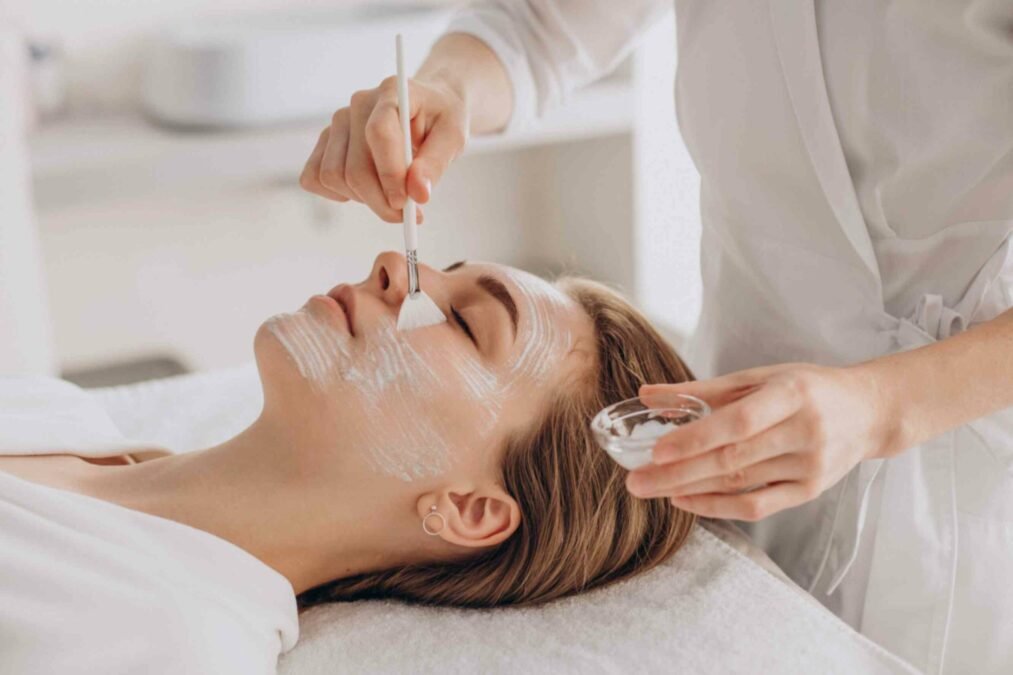

The world of aesthetic medicine is constantly evolving, with new technologies, serums, and techniques appearing on the market every year. For anyone looking to improve their skin, this innovation is exciting, but it can also be overwhelming and even risky if not approached with caution. Trying a new treatment whether it’s a new laser, a chemical peel, or an injectable requires a balance of curiosity and diligence. Not every “viral” treatment is suitable for every skin type, and jumping into a procedure without proper preparation can lead to irritation or disappointing results.
To safely achieve better results, you must prioritize professional guidance and gradual introduction. Safety in the med spa world is built on the foundation of clinical expertise and honest communication between the patient and the provider. By following a structured approach to trying new services, you can ensure that your skin remains healthy while you explore the latest advancements in beauty.
This guide provides a roadmap for safely navigating the newest skin treatments, helping you maximize your results while minimizing the potential for adverse reactions.
The most important step in safely trying something new is selecting a facility that has a proven track record of safety and transparency. If you are ready to explore a new service, you should check out this dermani MEDSPA® website to see their range of FDA-approved treatments and safety protocols. Working with a reputable provider ensures that any new procedure is performed using the highest clinical standards, giving you the peace of mind to focus on your aesthetic transformation.
Start with a Comprehensive Consultation
Before you try a new treatment, you must have an in-depth conversation with a professional. This is the time to disclose your full medical history, any allergies, and the products you are currently using at home. A good practitioner will explain the science behind the new treatment and why it is (or isn’t) a good fit for your skin.
Understand the Risks and Side Effects
Every treatment has potential side effects, ranging from mild redness to temporary swelling. Before proceeding, ask your provider for a clear list of what is normal and what is a “red flag.” Knowing what to expect during the healing phase prevents unnecessary panic and helps you plan your schedule around any needed downtime.
Request a Patch Test if Applicable
If you have highly sensitive skin or are trying a new chemical peel, ask for a patch test. A small amount of the product is applied to a discreet area to see how your skin reacts over 24 hours. This simple step can prevent a full-face reaction and is a hallmark of a cautious and professional provider.
Follow Pre-Treatment Instructions Carefully
Many modern treatments require you to prepare your skin in advance. This might mean avoiding the sun for two weeks or pausing the use of Retinol for several days. Following these “pre-op” rules is essential for preventing complications like burns or hyperpigmentation during the actual procedure.
Don’t Try Too Many New Things at Once
It can be tempting to “stack” several new treatments in one visit, but this can overwhelm your skin’s ability to heal. If you are trying a new modality, start with just one and see how your skin responds over a few weeks. A gradual approach allows you to identify exactly what is working and what might be causing irritation.
Check for FDA Approval and Clinical Data
Before saying yes to a new laser or device, ask if it is FDA-approved for the specific concern you are addressing. Reputable med spas only use technology that has been through rigorous clinical testing. Avoid facilities that use “off-brand” or unverified machinery, as these carry a much higher risk of injury.
Prioritize Post-Treatment Aftercare
The safety of a treatment doesn’t end when you leave the spa. Your skin is often in a vulnerable state after a professional session, making post-care vital. Use only the gentle, soothing products recommended by your specialist and stay out of the sun. Proper aftercare ensures that your skin heals correctly and produces the best possible results.
Be Honest About Your Expectations
Safe results are often the result of realistic expectations. If you are trying a new treatment because you want a “miracle,” you might be tempted to ask for a more aggressive setting than your skin can handle. Trust your provider’s recommendation on intensity—it is always better to do a few mild sessions than one that is too harsh.
Frequently Asked Questions
1. How do I know if a new treatment is right for my skin tone?
The best way is to ask your provider about their experience with your specific Fitzpatrick skin type. Some lasers and peels are safer for darker skin than others. A professional will know which wavelengths and chemical concentrations will provide results without the risk of pigment changes.
2. What should I do if I have a reaction after a treatment?
Contact your med spa immediately. Most minor reactions like redness or itching are easily managed with professional advice. Do not try to “fix” a reaction with more home products, as this often makes the problem worse. Your provider should have a protocol for post-treatment concerns.
3. Is it safe to try “at-home” versions of med spa treatments?
Generally, no. At-home lasers and “pro-strength” peels sold online are often dangerous or ineffective. They lack the safety sensors and professional calibration found in clinical devices. For real results and total safety, always seek professional-grade treatments.
4. How long should I wait between trying different types of treatments?
A good rule of thumb is to wait at least one full skin cycle (4 weeks) between different types of resurfacing treatments. This gives your skin barrier time to fully recover so that it can handle the stimulation of the next procedure safely.
5. How can I verify the qualifications of my practitioner?
Don’t be afraid to ask! A legitimate professional will be happy to show you their licenses and certifications. You can also look for reviews from other patients specifically regarding the treatment you are interested in to see their experiences with safety and results.
Conclusion
Exploring new skin treatments is a fantastic way to stay ahead of the aging process and address specific concerns with the latest technology. However, safety should always be your top priority. By choosing a reputable provider, following instructions, and moving at a pace that respects your skin’s biology, you can enjoy the benefits of innovation without the risks. Better results come from a partnership between a knowledgeable patient and a skilled professional. Don’t be afraid to ask questions and take your time—your skin is an investment that deserves the highest level of care. With a safe and thoughtful approach, you can discover the next great treatment that will help your skin look its absolute best for years to come.