
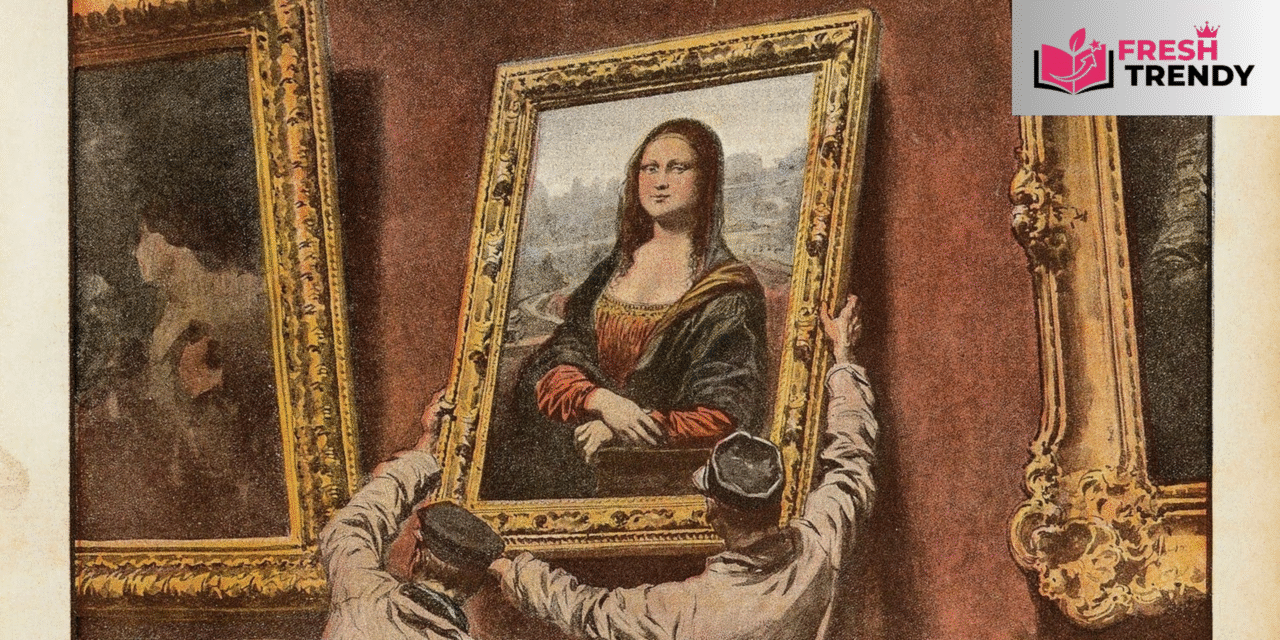

The story of mona lisa stolen is one of the most fascinating and dramatic chapters in the history of art. Long before modern security systems, motion sensors, and global media coverage, a single painting disappeared from the walls of the Louvre Museum and shocked the world. The idea that Leonardo da Vinci’s most famous masterpiece could simply vanish seemed impossible, yet it happened in plain sight. The incident transformed how people viewed art, museums, and cultural heritage forever.
This blog explores the full story of the case, from the events leading up to the theft to its lasting impact on art history. By understanding how the mona lisa stolen mystery unfolded, readers can appreciate not only the painting itself but also how one crime turned a respected artwork into the most famous painting on Earth.
The World Before the Mona Lisa Was Stolen
Before the mona lisa stolen incident, the painting was admired but not yet the global icon it is today. Leonardo da Vinci painted the Mona Lisa in the early 16th century, and over time it found its way into the French royal collection. Eventually, it was placed in the Louvre Museum, where visitors could see it with relatively little restriction.
In the early 1900s, museum security was surprisingly relaxed. Paintings were often removed for cleaning or photography, and guards were few. The idea that someone would attempt to steal a masterpiece seemed unthinkable. This environment made the mona lisa stolen event possible, even if no one realized it at the time.
The mona lisa stolen story reminds us that fame is not always immediate. Sometimes, it takes a dramatic moment to push something into the global spotlight.
The Day the Mona Lisa Was Stolen
On the morning of August 21, 1911, the unthinkable happened. The mona lisa stolen case began quietly, without alarms or witnesses raising immediate concern. A Louvre employee noticed an empty space on the wall where the painting should have been. At first, staff assumed the painting had been taken for routine maintenance.
As hours passed, panic set in. It became clear that the mona lisa stolen incident was real. The Louvre closed its doors, and French authorities launched a full investigation. Newspapers across Europe quickly picked up the story, spreading the news that the Mona Lisa had vanished.
The mona lisa stolen headline captured the public imagination. People who had never cared about art before suddenly wanted to know everything about the missing painting.
How the Theft Was Carried Out
The mona lisa stolen mystery was surprisingly simple in execution. The thief, later identified as Vincenzo Peruggia, was an Italian handyman who had worked at the Louvre. He knew the museum’s routines and security weaknesses.
Peruggia hid inside the museum overnight. The next morning, he removed the painting from the wall, took it out of its frame, and concealed it under his clothing. He then walked out of the museum without being stopped. This ease of escape made the mona lisa stolen case even more embarrassing for the authorities.
What makes the mona lisa stolen story so remarkable is how ordinary the method was. No high-tech tools, no dramatic chase, just careful timing and insider knowledge.
Global Reaction to the Mona Lisa Stolen News
When news of the mona lisa stolen incident spread, it caused an international sensation. Newspapers published illustrations of the empty wall at the Louvre. Writers speculated endlessly about who could have taken the painting and why.
The mona lisa stolen case became a cultural phenomenon. Some people accused foreign governments, while others suspected rival artists. Even famous figures like Pablo Picasso were questioned, though no evidence linked them to the crime.
Ironically, the mona lisa stolen scandal made the painting more famous than ever. Millions of people who had never heard of the Mona Lisa before now knew its name and story.
The Investigation and False Leads
The investigation into the mona lisa stolen case was intense but often misguided. French police followed countless false leads, questioning artists, collectors, and museum staff. The lack of solid evidence made progress slow.
For over two years, the mona lisa stolen mystery remained unsolved. During this time, the painting’s absence only increased public fascination. Reproductions of the Mona Lisa appeared everywhere, and the stolen artwork became a symbol of intrigue and loss.
The mona lisa stolen investigation showed how difficult it can be to solve art crimes, especially when the theft involves cultural treasures rather than everyday objects.
The Recovery of the Mona Lisa
The mona lisa stolen saga finally reached a turning point in 1913. Vincenzo Peruggia attempted to sell the painting to an art dealer in Florence, claiming he wanted to return it to Italy. The dealer recognized the masterpiece and contacted authorities.
Peruggia was arrested, and the Mona Lisa was recovered. The mona lisa stolen story took another dramatic twist as the painting went on a short tour of Italy before being returned to France.
When the Mona Lisa finally returned to the Louvre, crowds gathered to welcome it back. The mona lisa stolen incident had turned the painting into a global celebrity.
Why the Mona Lisa Was Stolen
Understanding why the mona lisa stolen event occurred requires looking at Peruggia’s motives. He claimed he believed the painting belonged in Italy, not France. While historians debate his true intentions, nationalism played a role in his justification.
The mona lisa stolen case highlights how art can become a symbol of national pride. Even today, discussions about where cultural artifacts belong continue to spark debate around the world.
Regardless of motive, the mona lisa stolen incident forced museums everywhere to rethink how they protect priceless works of art.
How the Theft Changed Museum Security
One of the most lasting impacts of the mona lisa stolen event was the transformation of museum security. Before the theft, many museums relied on trust and tradition. Afterward, they invested in better locks, guards, and eventually modern surveillance systems.
The mona lisa stolen case became a cautionary tale. Museums learned that even the most famous artworks are vulnerable without proper protection. Today, the Mona Lisa is displayed behind bulletproof glass, a direct result of lessons learned from the mona lisa stolen experience.
This shift in security standards can be traced back to that single moment when the painting disappeared.
The Mona Lisa’s Rise to Global Fame
Ironically, the mona lisa stolen incident played a major role in making the painting world-famous. Before 1911, it was respected but not necessarily iconic. After the theft, it became a symbol recognized across cultures.
The mona lisa stolen story added mystery, drama, and emotion to the artwork. People were drawn not just to the painting itself, but to the story behind it. This combination of art and intrigue helped cement the Mona Lisa’s place in popular culture.
Today, when people think of famous art, the Mona Lisa often comes to mind first, largely because of the mona lisa stolen legend.
The Cultural Legacy of the Mona Lisa Stolen Case
The mona lisa stolen event continues to influence books, films, and documentaries. Writers and filmmakers are fascinated by the idea that such a priceless object could be taken so easily.
The story also changed how society views art theft. It showed that stealing art is not just about money, but about identity, fame, and history. The mona lisa stolen case remains one of the most discussed art crimes ever.
By revisiting the mona lisa stolen story, we gain insight into how cultural narratives are formed and why certain events leave a lasting mark on human history.
Lessons Learned from the Mona Lisa Stolen Incident
The mona lisa stolen case teaches several important lessons. It reminds us that cultural treasures need protection. It shows how media attention can transform an event into a global phenomenon. Most importantly, it demonstrates how a single moment can redefine the legacy of an artwork.
More than a century later, the mona lisa stolen story still resonates. It continues to captivate new generations, proving that history, when combined with mystery, never truly fades.
Conclusion: Why the Mona Lisa Stolen Story Still Matters
The mona lisa stolen incident is more than just a tale of theft. It is a story about art, human ambition, and the power of narrative. What began as a simple crime turned into a defining moment in cultural history.
By understanding how the mona lisa stolen event unfolded, we see how fragile and valuable cultural heritage can be. The painting’s journey from theft to recovery shaped modern museum practices and elevated the Mona Lisa to legendary status.
Even today, the mona lisa stolen story reminds us that art is not just something we look at. It is something that connects us to history, emotion, and shared human experience.
Frequently Asked Questions About Mona Lisa Stolen
Was the Mona Lisa ever really stolen?
Yes, the Mona Lisa was stolen in 1911 from the Louvre Museum. The mona lisa stolen incident is a documented historical event and one of the most famous art thefts in history.
Who stole the Mona Lisa and why?
Vincenzo Peruggia stole the painting. He claimed nationalist reasons, believing the artwork belonged in Italy. The mona lisa stolen case remains debated regarding his true motives.
How long was the Mona Lisa missing after it was stolen?
The Mona Lisa was missing for over two years. The mona lisa stolen mystery ended in 1913 when the painting was recovered in Italy.
Did the theft make the Mona Lisa more famous?
Absolutely. The mona lisa stolen incident played a major role in turning the painting into a global icon by drawing massive media attention.
Where is the Mona Lisa now after being stolen?
After recovery, the painting was returned to France and is now securely displayed at the Louvre Museum, with advanced protection influenced by the mona lisa stolen experience.
You May Also Read
Incandescent Light Bulb: A Complete Guide to the World’s Most Iconic Light Source