
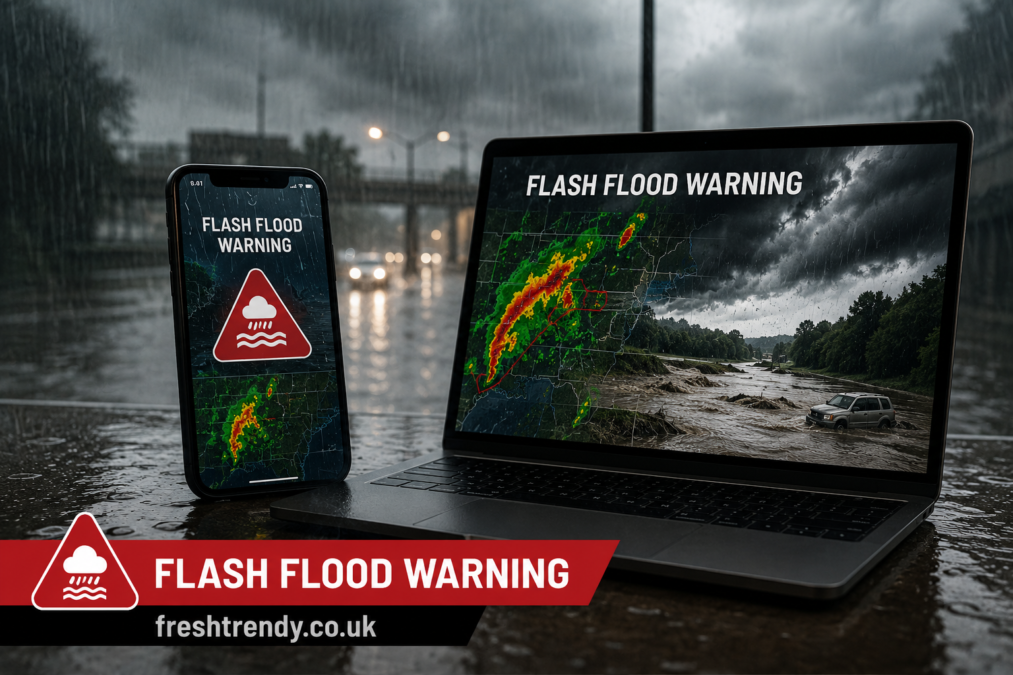

Introduction to Flash Flood Warning
A flash flood warning is one of the most urgent weather alerts issued when rapid and dangerous flooding is either occurring or expected within a very short period of time. Unlike normal floods that develop slowly over days, flash floods can form within minutes or hours, leaving very little time for reaction.
Understanding how a flash flood warning works is essential for survival and preparedness. These events are often triggered by intense rainfall, dam failures, or sudden water releases in upstream areas. Because of their speed and force, flash floods are considered one of the most dangerous natural disasters worldwide, capable of sweeping away vehicles, destroying infrastructure, and threatening lives almost instantly.
What Triggers a Flash Flood Warning?
A flash flood warning is typically issued when meteorological or hydrological conditions indicate immediate danger. Several natural and human-related factors can trigger such alerts.
One of the most common causes is extreme rainfall in a short period of time. When rain falls faster than the ground can absorb it, water rapidly accumulates on the surface, creating dangerous runoff. In urban areas, concrete roads and buildings prevent water absorption, significantly increasing flood speed and intensity.
Another major trigger is dam or levee failure, where structural collapse releases large volumes of water suddenly downstream. Additionally, mountainous regions can experience flash flooding due to landslides or glacial lake outburst floods, where natural water barriers break unexpectedly.
Human activities such as deforestation, poor drainage systems, and unplanned urban expansion also intensify the risk, making flash flood events more frequent and more destructive.
How Flash Flood Warning Systems Work
Modern flash flood warning systems rely on a combination of radar technology, satellite data, and ground-based river monitoring stations. Meteorologists analyze rainfall intensity, soil saturation levels, and river flow rates to determine when flooding is likely or already happening.
Weather radar plays a crucial role by detecting heavy precipitation in real time. When rainfall exceeds safety thresholds, automated systems generate alerts that are verified by meteorologists before being issued to the public. Hydrological models also simulate how water will move through rivers and urban drainage systems.
Once conditions reach a critical level, authorities issue a flash flood warning through multiple channels, including emergency broadcast systems, mobile alerts, sirens, and media updates. These warnings are designed to give people immediate instructions to move to safety without delay.
Early Warning Signs of Flash Floods
Even before an official flash flood warning is issued, there are physical signs that indicate danger may be developing.
One key indicator is rapidly rising water levels in rivers, streams, or drainage channels. Water that turns muddy or carries debris is another warning sign that upstream flooding may already be occurring. Sudden heavy rainfall combined with persistent storms is also a strong signal of potential flash flooding.
In hilly or mountainous regions, unusual sounds such as roaring water or rumbling may indicate fast-moving floodwaters or landslides. Additionally, if drains and sewers begin to overflow quickly, it suggests that the drainage system is overwhelmed and a flash flood may be imminent.
Recognizing these early signs can significantly improve survival chances even before official alerts are received.
Immediate Safety Actions During a Flash Flood Warning
When a flash flood warning is issued, immediate action is critical. Delaying response by even a few minutes can be life-threatening.
The most important rule is to move to higher ground immediately. Avoid walking or driving through floodwaters under any circumstances. Even shallow water can be powerful enough to sweep away vehicles or knock down adults.
If you are indoors, switch off electricity and gas supplies if it is safe to do so. Move essential items, documents, and emergency supplies to upper floors. Stay away from basements and low-lying rooms where water can rise quickly.
If you are outside, avoid bridges, underpasses, and low-water crossings. These areas are especially dangerous because water can accumulate rapidly without warning. Follow official instructions and avoid panic-driven decisions, as controlled evacuation greatly improves safety outcomes.
Flash Flood Safety While Driving
Driving during a flash flood warning is one of the most dangerous situations. Water-covered roads can be misleading, as it is difficult to judge depth or current strength.
Even six inches of moving water can cause loss of control, while deeper water can float or overturn most vehicles. If you encounter flooded roads, the safest action is to turn around and find an alternate route.
If your vehicle becomes trapped in rising water, abandon it immediately and move to higher ground if it is safe. Staying inside a flooded vehicle can become extremely dangerous if water levels continue to rise. Emergency responders consistently emphasize that no vehicle is worth risking your life during a flash flood event.
Emergency Preparedness Plan for Flash Flood Warning
Being prepared before a flash flood warning occurs significantly increases survival chances. A well-structured emergency plan should include evacuation routes, communication strategies, and essential supplies.
Families should identify safe high-ground locations in advance and practice evacuation drills if possible. Everyone should know how to shut off utilities and where emergency supplies are stored. Communication plans are also important, especially if mobile networks become disrupted during disasters.
Preparedness is not only about reacting quickly but also reducing confusion during high-stress situations. A clear plan ensures that decisions are made faster and more effectively when time is limited.
Essential Emergency Kit for Flash Flood Situations
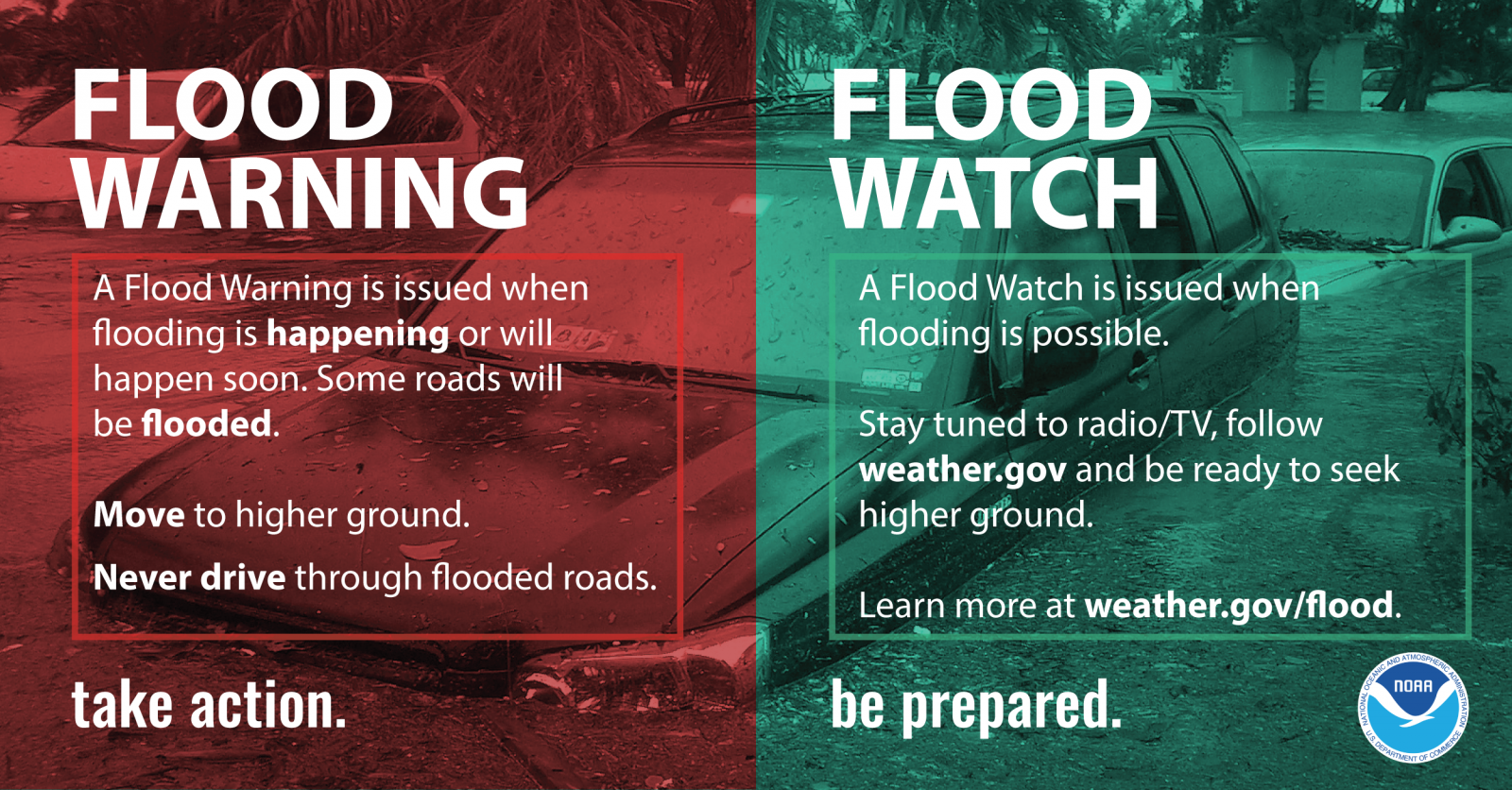
An emergency kit is a critical part of any flash flood warning preparedness strategy. It should contain enough supplies to sustain individuals for at least 72 hours.
Key items include drinking water, non-perishable food, a flashlight, batteries, a first-aid kit, essential medications, and waterproof storage for important documents. Clothing suitable for wet and cold conditions is also important, along with sturdy footwear.
Additional useful items include a portable phone charger, hygiene supplies, and a whistle for signaling help. Keeping this kit in an easily accessible location ensures quick evacuation without unnecessary delays.
Common Mistakes During Flash Flood Warning
Many casualties during flash floods occur due to preventable mistakes. One of the most common is underestimating the speed and strength of water. People often assume they can walk or drive through shallow water safely, which frequently leads to accidents.
Another mistake is waiting too long to evacuate. A flash flood warning indicates immediate danger, and delaying action reduces survival chances. Ignoring official alerts or relying solely on visual judgment can also be dangerous, as flood conditions can change rapidly.
Staying in low-lying areas out of convenience or fear of property loss is another critical error. Personal safety must always take priority over possessions during emergencies.
After the Flash Flood: Recovery and Safety Measures
Once the immediate danger has passed, caution is still required. Floodwaters can leave behind structural damage, contamination, and hidden hazards.
Avoid returning to affected areas until authorities declare them safe. Buildings may have weakened foundations, and electrical systems may be unsafe. Standing water can also contain harmful bacteria, chemicals, and debris.
When returning home, inspect damage carefully and document it for insurance or relief purposes. Clean and disinfect all surfaces that came into contact with floodwater. Drinking water should only be used if confirmed safe by authorities.
Recovery after a flash flood warning event requires patience and careful assessment to avoid secondary injuries or health risks.
Long-Term Strategies to Reduce Flash Flood Risk
Reducing the impact of future flash flood warning events requires long-term planning and environmental awareness. Urban drainage systems must be improved to handle heavy rainfall more efficiently. Proper waste management also prevents drainage blockages that worsen flooding.
Reforestation and soil conservation help improve water absorption in natural environments, reducing runoff speed. Communities in flood-prone areas benefit from zoning regulations that restrict construction in high-risk zones.
Public education is also essential. When people understand flood risks and warning systems, response times improve and casualties decrease significantly.
Conclusion
A flash flood warning is not just a weather notification—it is an urgent call for immediate action. Flash floods develop rapidly, often leaving minimal time for response, which makes awareness and preparedness critical.
Understanding the causes, recognizing early warning signs, and following safety procedures can significantly reduce risk. Preparation through emergency planning and essential supplies further strengthens resilience against these unpredictable disasters.
Ultimately, survival during a flash flood depends on speed, awareness, and disciplined decision-making.