


Saturday Night Live (SNL) has been a cultural cornerstone of American television since its debut on October 11, 1975. Created by Lorne Michaels, the show has become synonymous with sharp political satire, groundbreaking comedy sketches, and launching the careers of some of the most influential comedians and actors in Hollywood. This guide dives into the show’s iconic sketches, legendary hosts, and unforgettable moments that have defined decades of late-night television.
The Origins of Saturday Night Live
SNL was developed as a late-night variety show to fill the Saturday night slot on NBC. The original cast, known as the “Not Ready for Prime Time Players,” included comedy legends such as John Belushi, Chevy Chase, Gilda Radner, Dan Aykroyd, and Jane Curtin. Their chemistry and bold approach to sketch comedy set the tone for SNL’s irreverent humor, blending satire, slapstick, and cultural commentary. From the beginning, SNL became a platform where societal norms could be challenged through humor, giving voice to political and cultural observations in ways that other shows of the time did not.
Iconic Sketches That Shaped Comedy
Some sketches on SNL have become timeless and are widely recognized even by those who may not watch the show regularly. “Weekend Update”, a parody of news broadcasts, has been a staple since the show’s premiere, delivering biting political satire with a humorous twist. “The Blues Brothers”, featuring John Belushi and Dan Aykroyd, combined musical performance with comedy, leaving a lasting legacy that extended to a feature film. Another memorable sketch, “Wayne’s World”, starring Mike Myers and Dana Carvey, captured the essence of teenage pop culture in the 1990s and led to successful movies and a surge in catchphrases like “Party on, Wayne!”
Other sketches, like “Coneheads,” “Church Lady,” and “Celebrity Jeopardy!”, showcase the show’s ability to mix absurdity with pointed satire, offering humor that resonates across generations. These sketches demonstrate SNL’s enduring influence on comedy, with many routines inspiring imitators and shaping comedic norms on television.
Legendary Hosts Who Made Their Mark
The role of the SNL host is critical in setting the tone for the episode, and some hosts have become legendary for their performances. Steve Martin holds the distinction of being one of the most frequent and beloved hosts, delivering episodes filled with humor and charm. Tom Hanks, Alec Baldwin, and Bill Murray have also hosted multiple times, often stepping seamlessly into sketches and demonstrating comedic versatility.
A notable highlight in SNL history is Donald Trump’s hosting in 2004, which attracted significant attention and controversy, reflecting the show’s unique ability to blend entertainment with political discourse. More recently, hosts like Dave Chappelle, Elon Musk, and Taylor Swift have drawn massive viewership, showing that the host selection continues to shape public interest and cultural relevance.
Memorable Musical Performances
SNL has consistently showcased extraordinary musical talent, giving musicians a platform to perform live in a comedy-centric environment. David Bowie, Prince, Madonna, and The Rolling Stones have all graced the SNL stage, often creating historic performances remembered for decades. The show is known for delivering live, raw musical energy, which adds a unique dimension to its comedy sketches.
Beyond mainstream acts, SNL has also spotlighted emerging artists, helping launch careers while exposing audiences to new sounds. Notable performances, such as Nirvana’s 1992 appearance, captured the raw emotion of the grunge movement, while Lady Gaga and Beyonce have demonstrated the show’s continuing relevance in modern pop culture. The fusion of comedy and live music is one of SNL’s defining characteristics, making each season an event for both humor and entertainment.
Political Satire and Cultural Commentary
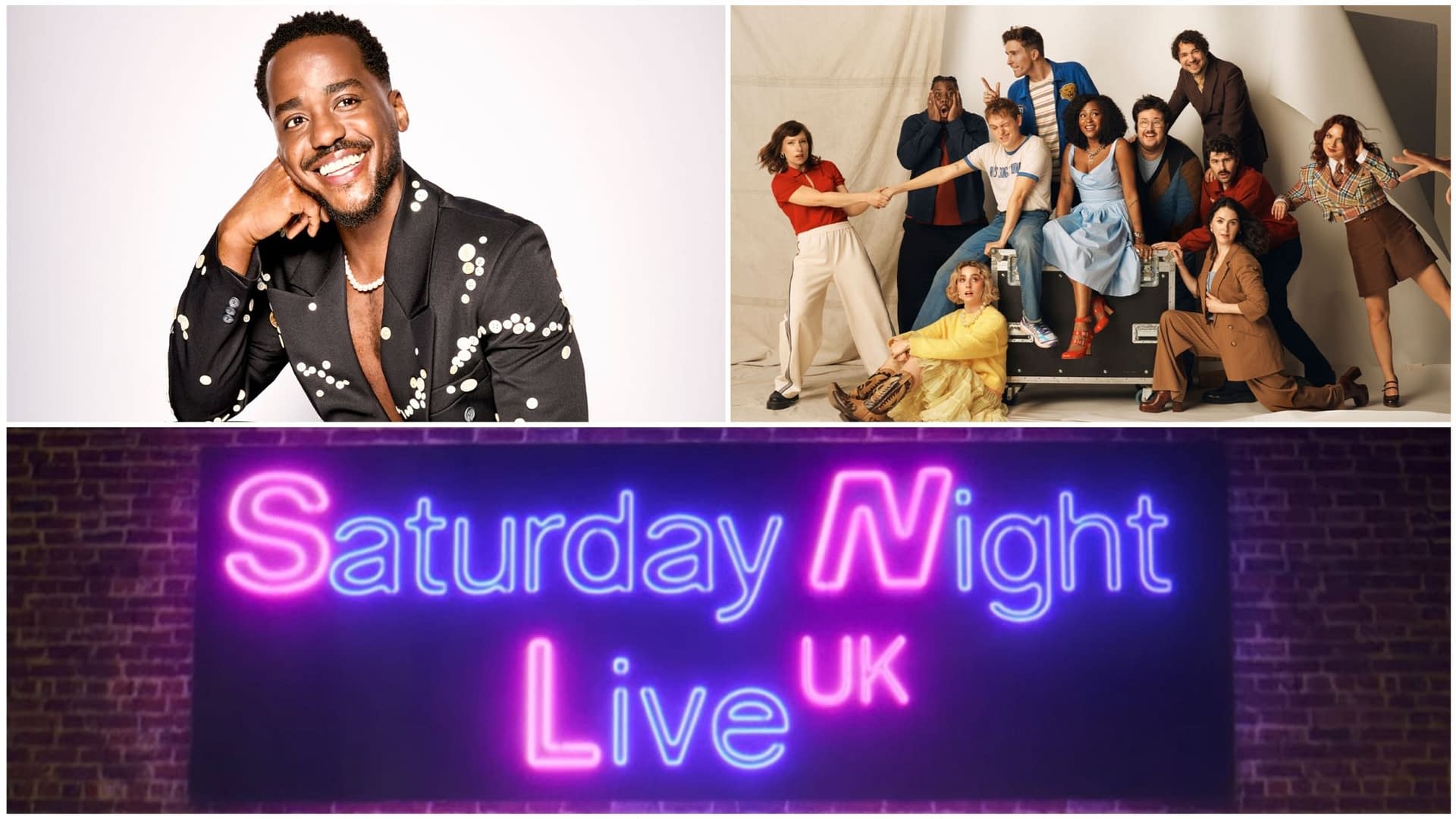
SNL’s political sketches are among its most Saturday Night Live influential, often shaping public perception of politicians and policies. The show gained prominence for impersonations of political figures, including Dana Carvey’s George H.W. Bush, Darrell Hammond’s Bill Clinton, and Alec Baldwin’s Donald Trump, which became integral to political conversations. These sketches blend sharp wit with cultural critique, providing commentary that is both humorous and insightful.
In addition to politics, SNL addresses broader social issues, using humor to tackle controversial topics like race, gender, and pop culture. “It’s Always Something” sketches and other socially conscious routines exemplify SNL’s ability to mirror societal dynamics while entertaining audiences, proving that comedy can simultaneously provoke thought and laughter.
Behind-the-Scenes Innovation
The success of SNL is not solely due to its on-camera talent; behind-the-scenes innovation has driven the show’s longevity. Writers like Tina Fey, Amy Poehler, and Conan O’Brien brought sharp, intelligent humor that resonates with audiences. Lorne Michaels’ leadership ensured that the show remains adaptive, embracing new comedic trends while maintaining its signature style.
Additionally, the show’s live format creates spontaneity, often resulting in unexpected moments that become legendary. From technical mishaps to improvisational brilliance, SNL’s production process is an essential part of its charm, emphasizing authenticity and risk-taking in comedy.
Awards and Cultural Recognition
SNL’s contribution to television comedy has been recognized with numerous awards, including Emmys, Peabody Awards, and Writers Guild honors. The show’s ability to consistently deliver culturally relevant content has cemented its status as a benchmark for late-night entertainment. Many SNL alumni have gone on to achieve success in film, television, and stand-up comedy, demonstrating the show’s enduring influence in shaping American pop culture.
Unforgettable Moments That Defined Eras
Over its 50+ years, SNL has delivered moments that are unforgettable in both humor and impact. John Belushi’s “Samurai Futaba” sketches, Eddie Murphy’s “Mr. Robinson”, and Kristen Wiig’s “Target Lady” remain iconic for their creativity and comedic timing. Additionally, moments like Janet Jackson’s 2004 wardrobe malfunction and Dave Chappelle’s 2016 political commentary sketches show the show’s role as a stage for conversation, controversy, and cultural reflection.
Conclusion
Saturday Night Live is more than just a television show; it is a cultural institution that has shaped comedy, music, and social commentary for decades. Its iconic sketches, legendary hosts, unforgettable musical performances, and incisive political satire have made it a must-watch for multiple generations. As the show continues to evolve, it maintains a delicate balance of humor, relevance, and creativity, proving that the essence of live comedy remains timeless. Whether you are revisiting classic sketches or discovering new episodes, SNL’s legacy of laughter and cultural commentary continues to thrive.